
Jeanne Felix TRAVEL AT HEART, Division of Cordially Yours Travel
Call: 916-768-0210 | Email: | Address: 4400 Duncan Hill Road, Rescue, CA 95672
Call: 916-768-0210 | Email: | Address: 4400 Duncan Hill Road, Rescue, CA 95672



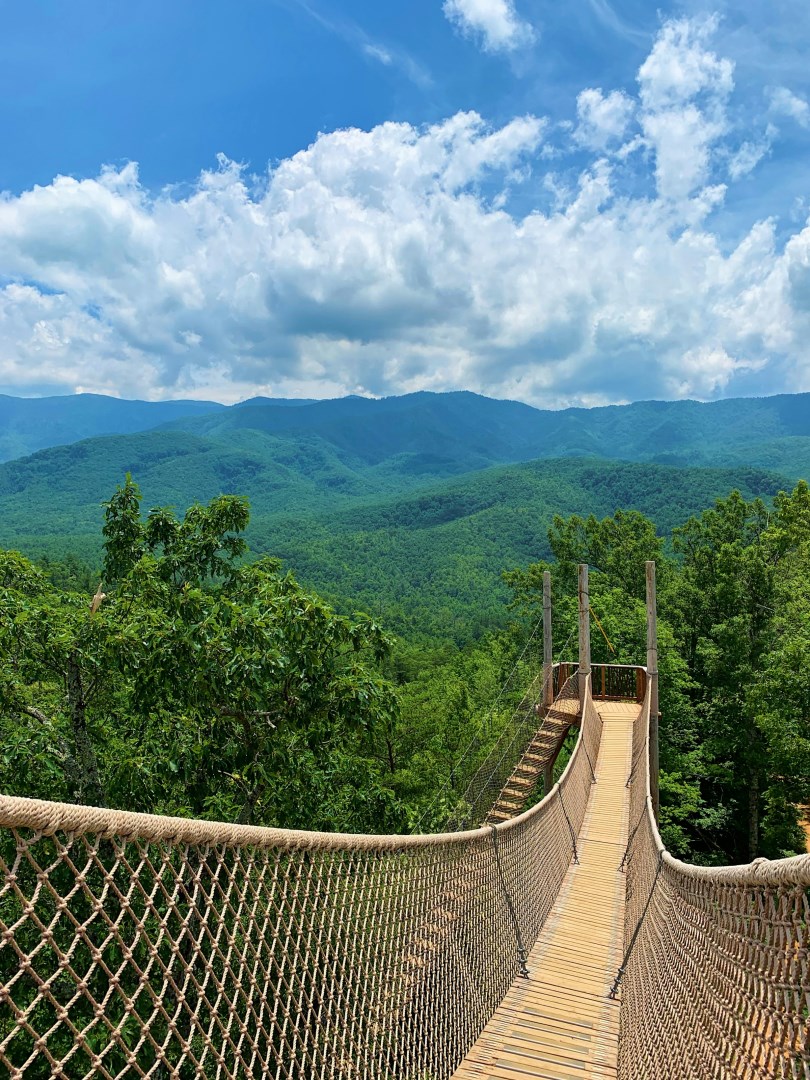

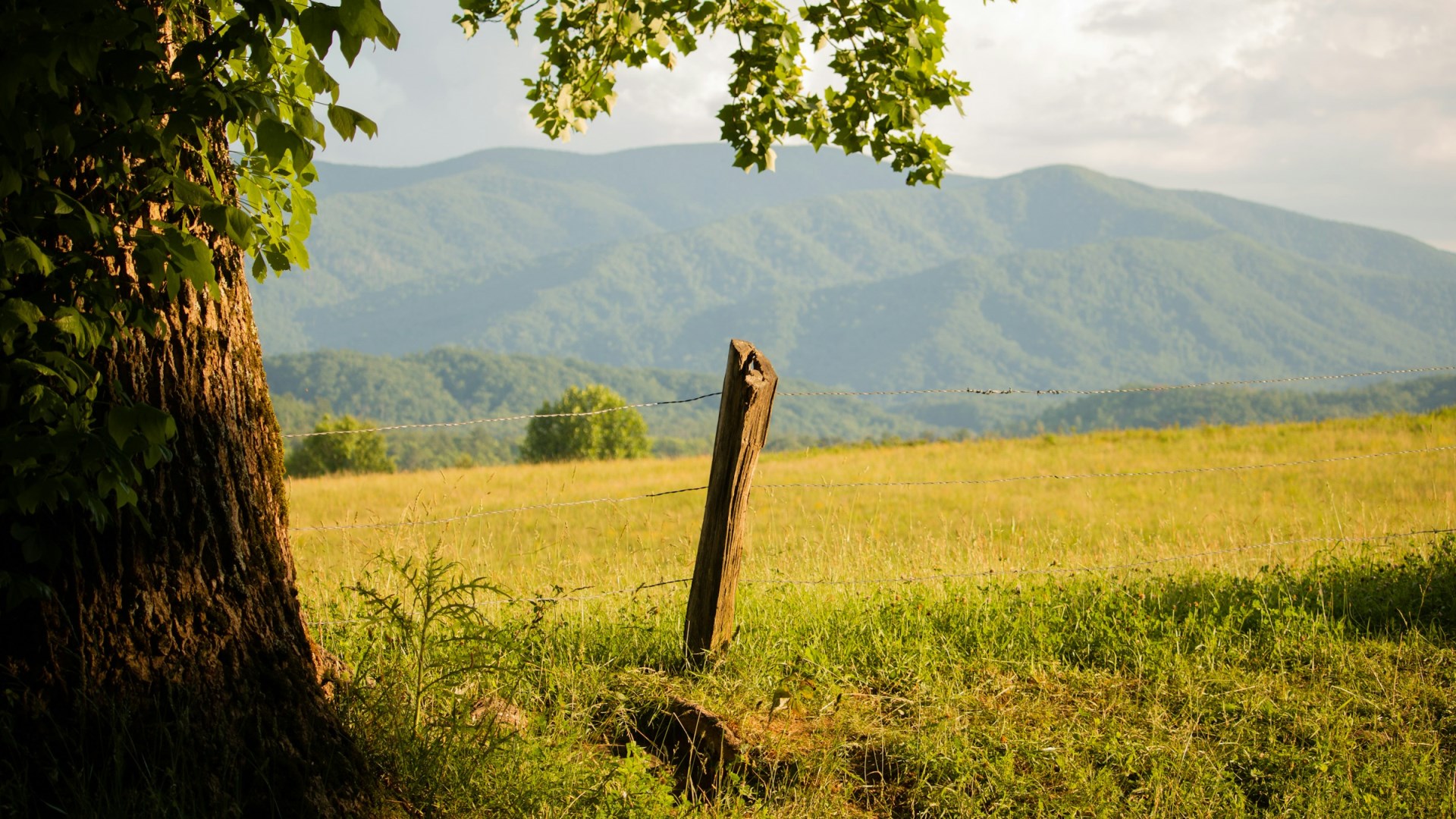

Great Smoky Mountains National Park stretches across the border of Tennessee and North Carolina, protecting a broad section of the southern Appalachian Mountains. The park is known for forested ridges, mist-covered peaks, clear streams, and an exceptional variety of plant and animal life. Its landscape changes with elevation, from rich hardwood forests in the valleys to spruce-fir forests near the highest summits. Clingmans Dome is the park’s highest point and one of its best-known landmarks. The park also forms part of a larger Appalachian landscape that connects mountain ecosystems across the region.
The Smoky Mountains have deep cultural connections to the Cherokee people, whose ancestral homeland includes the region now protected by the park. Cherokee history and language remain an important part of the area’s identity, particularly around Oconaluftee in North Carolina. European American settlement later left behind farms, churches, mills, cemeteries, and other structures scattered through the valleys. Cades Cove preserves one of the largest collections of historic buildings in the park, including cabins, barns, churches, and a working gristmill. These sites illustrate how families lived and worked within the mountain landscape before the area became a national park.
More than 800 miles of hiking trails cross the park, leading to waterfalls, mountain summits, forests, and secluded valleys. Laurel Falls is one of the most visited waterfalls, while Abrams Falls can be reached by a trail through Cades Cove. Newfound Gap provides a major crossing of the mountains and connects Tennessee with North Carolina, while the Appalachian Trail follows the crest through the park. Wildlife is another defining feature, with black bears, elk, white-tailed deer, wild turkeys, salamanders, and numerous bird species living within its forests, streams, and meadows.
Great Smoky Mountains National Park is also notable for its biological diversity. The park contains thousands of plant species, including numerous varieties of trees, wildflowers, ferns, and fungi, with spring and autumn bringing especially noticeable changes across the forests. Mountain streams support native fish and aquatic species, while the park’s many salamanders have earned the Smokies recognition as an important centre of amphibian diversity. Visitors can explore the landscape by hiking, cycling, fishing, horseback riding, or scenic driving. The Foothills Parkway and Newfound Gap Road provide particularly accessible ways to experience the mountains without long hikes.


Jeanne Felix TRAVEL AT HEART, Division of Cordially Yours Travel | Call: 916-768-0210 | Email: Jeanne@thegrid.net


[California Seller of Travel CST-1013939-40 ]